The Workshops
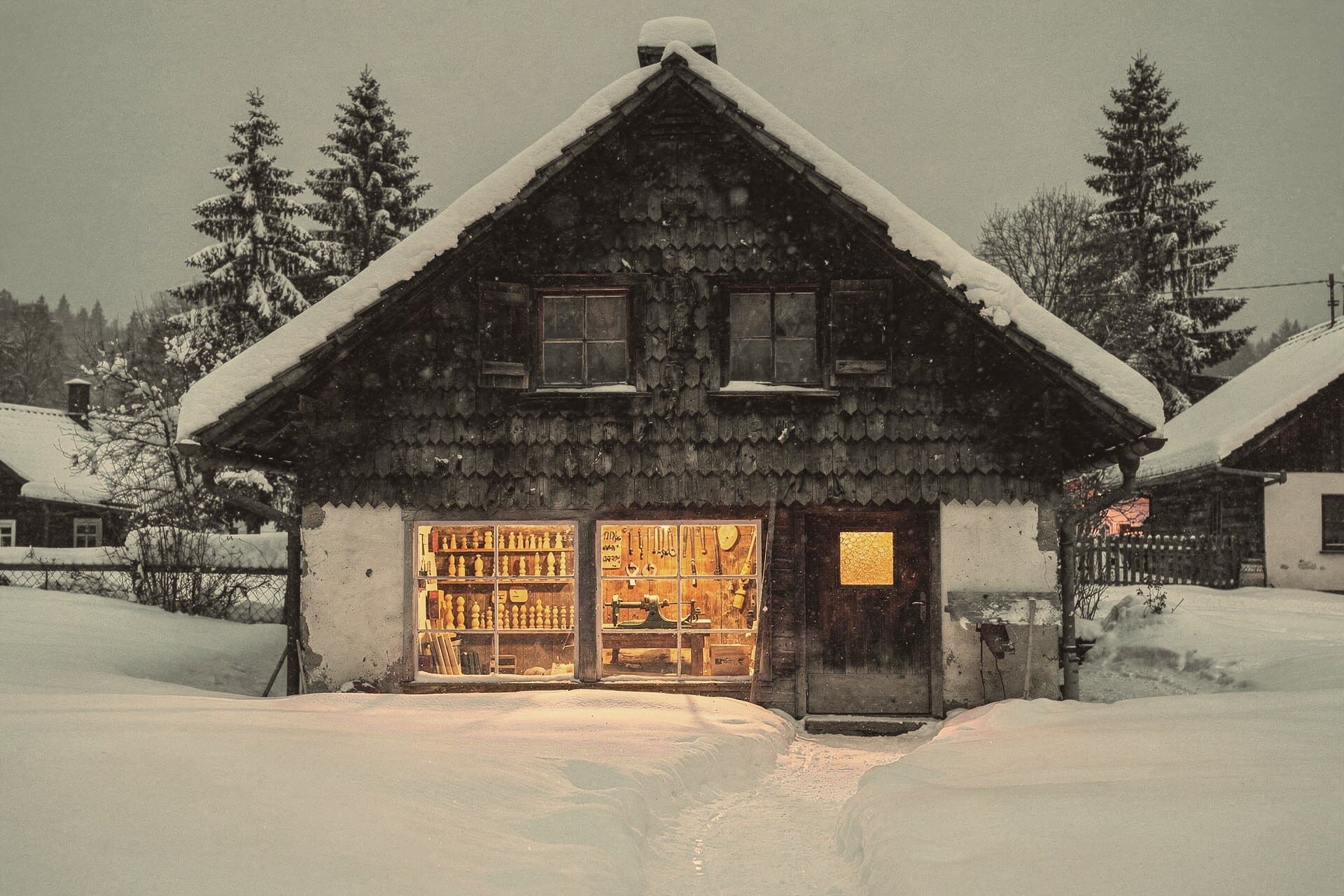
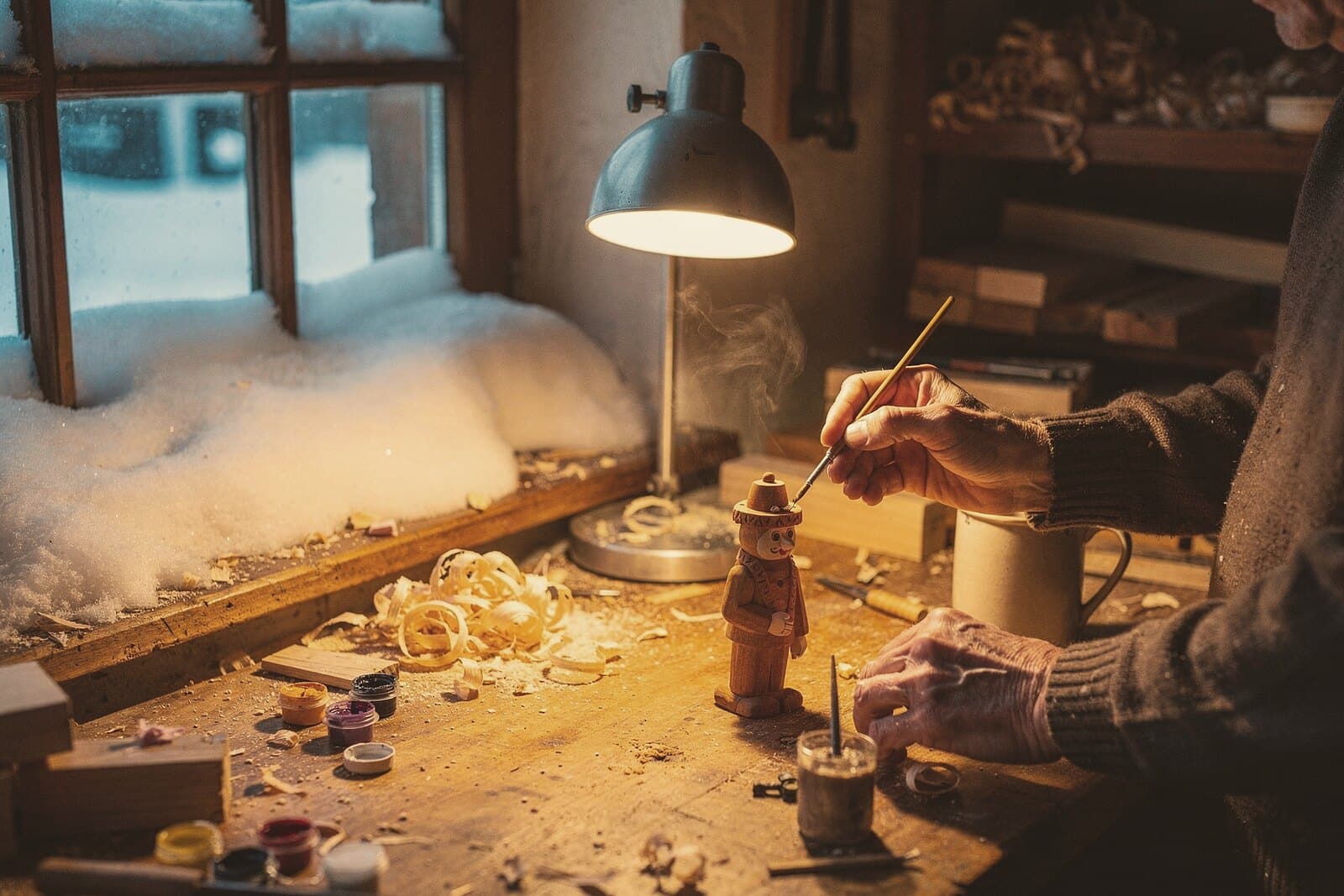
Most Erzgebirge pieces are made in small workshops, often a family’s own house, with the lathe in one room and the paint table by the window. The skills pass from one generation to the next, and the year turns toward Christmas.
The house workshop
The work began at home. In the 19th century, around Seiffen, whole families carved and painted the blanks a ring turner had made, in the one heated room that was both living room and workshop. Small farmers made simple toys in winter to eke out a living.
Much of that shape survives. Saxony describes the makers as ranging “from small family businesses to medium-sized companies,” with many pieces made in family firms where the skills pass between generations. In 2022 the state counted 424 woodcraft businesses on its register of crafts, 244 of them in the Erzgebirge district. The largest employ about a hundred people. Many are much smaller: a turner, a painter, a family.
The trades
A single piece often passes through several pairs of hands.
 Der Drechsler
The turner
Shapes bodies, heads, hats and bases on the lathe, again and again to the same profile. Turning is its own three-year craft training in Germany; the rarest skill of all, ring turning, is mastered today by only a handful.
 Der Holzbildhauer
The carver
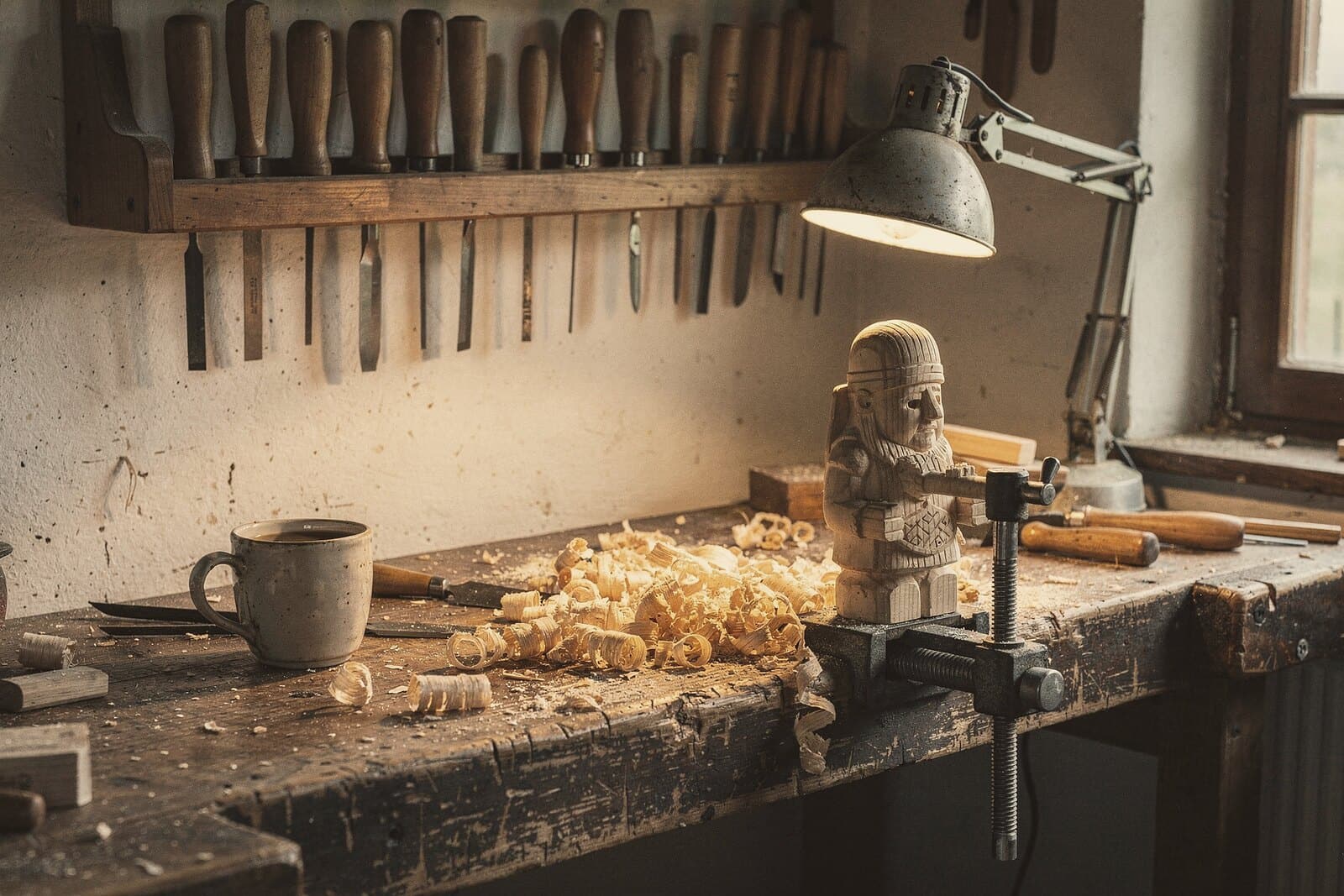
Works with knives and gouges where the lathe can’t reach: faces, beards, the folds of a coat, the animals cut from a turned ring. Woodcarving is a three-year training of its own.
 Die Malerin
The painter
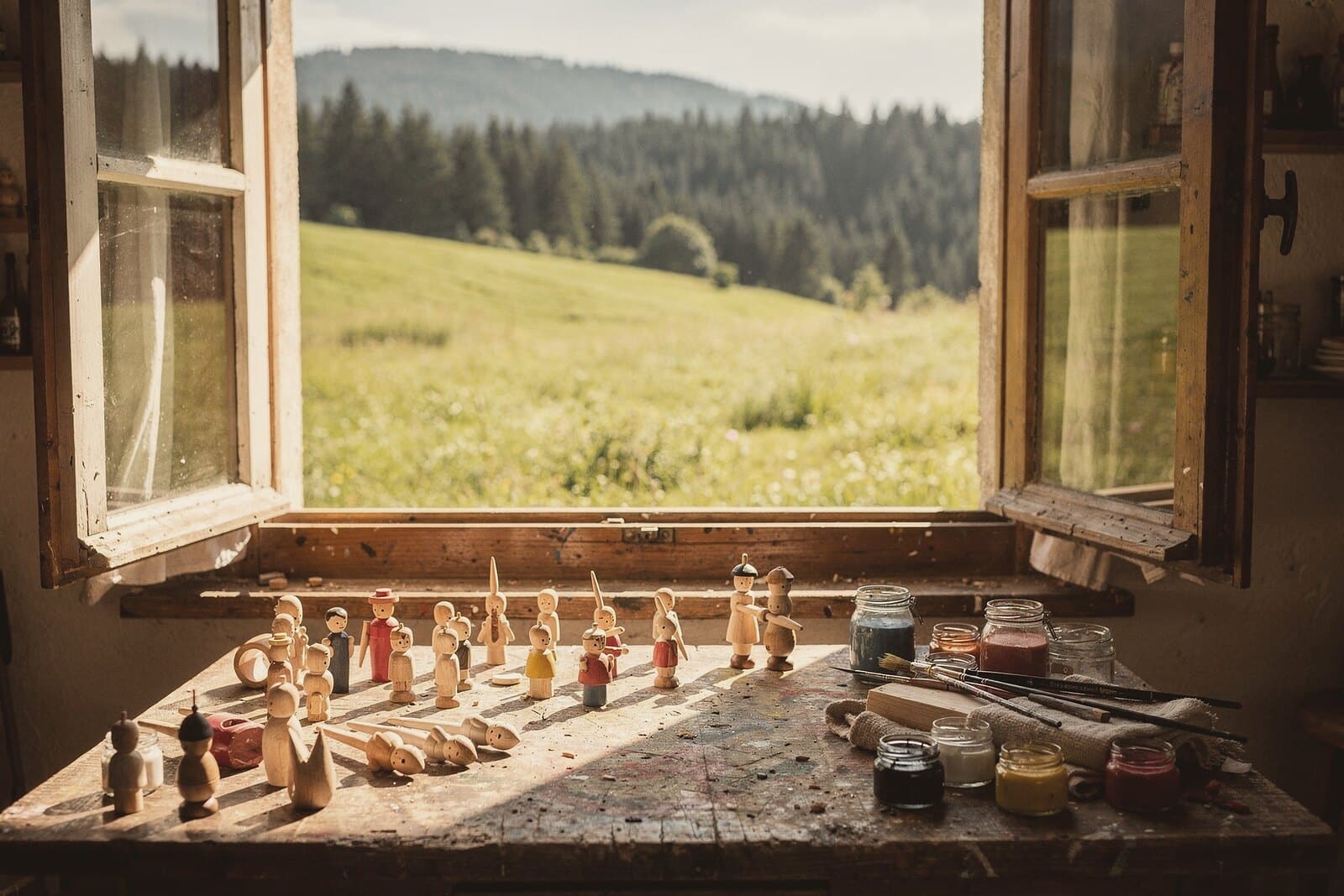
Gives each figure its colors and its face. Base coats may be dipped or sprayed; the details are painted by hand. In the workshops the makers’ magazine has visited, the painter is often a woman, and a good face, the makers say, takes many years to learn.
 Der Pyramidenbauer
The pyramid builder
Fits the shaft, the tiers, the figures and the vane wheel so precisely that a few candles can turn the whole carousel on its little glass bearing.
 Der Bogenbauer
The arch maker
Cuts the silhouette of a candle arch with a fine saw, sands the thin bridges of wood that hold the picture together, paints it and fits its candle holders or lights.
How the craft is learned
Holzspielzeugmacher, wooden toy maker, is a state-recognized trade in Germany, with three years of training under federal rules of 1996: turning, decorative carving, decorative painting, surface finishing and assembly. Only one school in the country teaches it, in Seiffen, alongside the turners. Apprentices spend part of their time at the school and the rest in their training workshop. They learn long-grain, cross-grain and hollow turning, the carving of ring-turned animals, the shaving of little trees, dot and brush painting, and also computer design and computer-controlled machines. Their journeyman’s piece is their own design, carried from a first sketch to a finished model.
Numbers are small: from the school’s reopening at the end of 1995 to early 2022, 371 wooden toy makers trained there, and some 15 to 20 apprentices finish each year. The makers’ association says trained toy makers are “urgently sought.” To run a turning or toy-making workshop of one’s own, German law normally requires a master craftsman’s certificate, and one of the projects a candidate may choose for the master’s examination is ring turning.
A year that runs toward Christmas
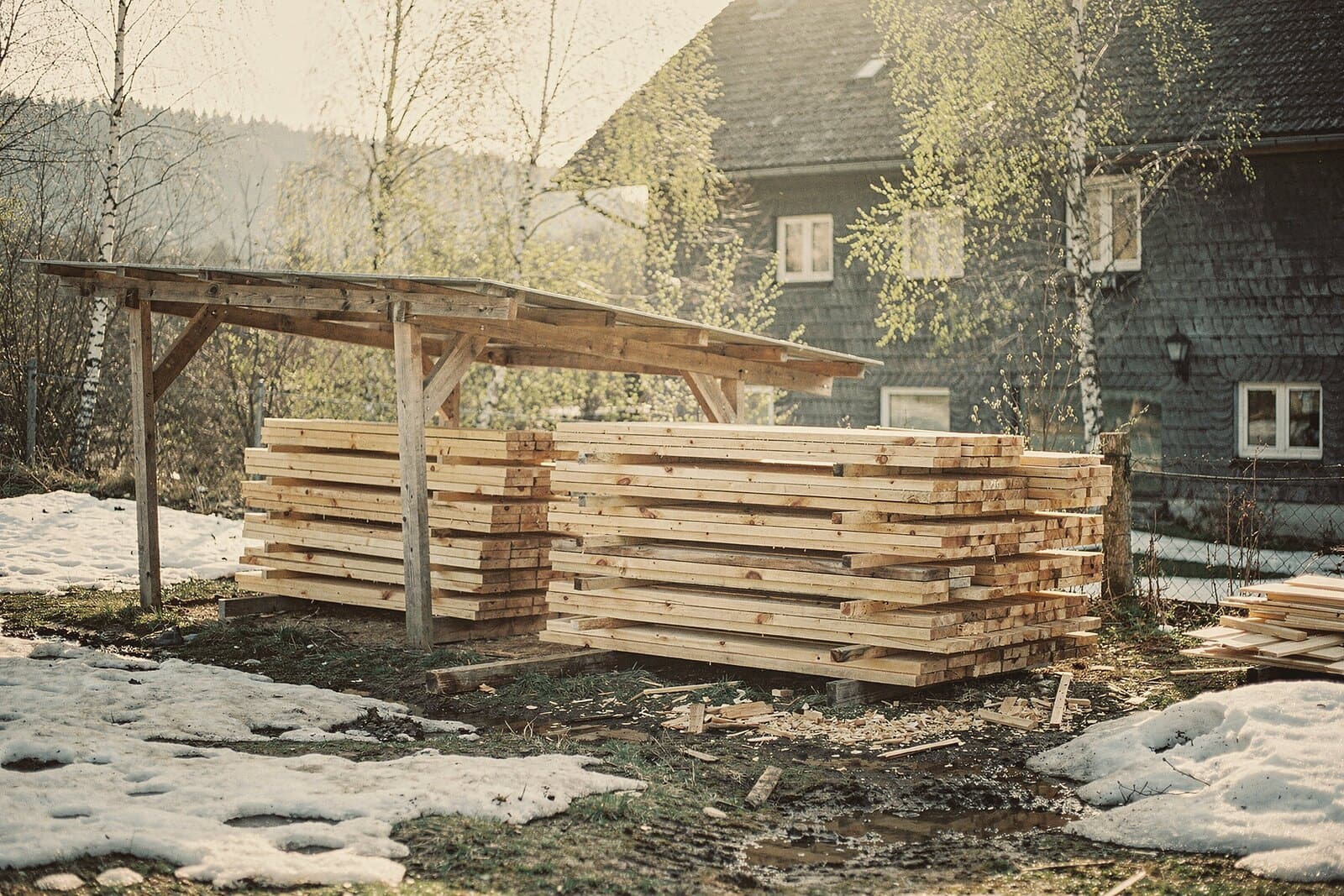
A workshop’s year runs backward from Christmas. In late winter the makers show the coming season’s pieces at the big trade fairs in Frankfurt, Nuremberg and Leipzig, and some abroad, in Paris, New York, Chicago, Atlanta and Tokyo. Orders follow. By high summer, as the Saxon economics ministry found when it visited the region’s makers one August, “production for the coming Christmas season is already running at full speed.”
On the region’s Days of Traditional Crafts, held in October, more than 130 workshops, museums and clubs open their doors, with turning and carving to watch and sometimes to try. Then the boxes go out to the shops, Advent brings the markets, and Christmas decides the year: the makers’ association once put a rise in its members’ turnover down simply to “a better Christmas business.”

The workshops behind the Guild
The Erzgebirge Guild presents the work of small, independent workshops like these. This site does not name them; the maker’s sticker on each piece does. What “Guild” means here, and what your piece’s sticker tells you.
Sources
- Verordnung über die Berufsausbildung zum Holzspielzeugmacher (1996)
- Verordnung über die Berufsausbildung zum Drechsler (Elfenbeinschnitzer) (1987)
- Verordnung über die Berufsausbildung zum Holzbildhauer (1997)
- Master’s examination rules for turners and wooden toy makers (2001)
- Makers’ association (erzgebirge.org), training
- Saxon State Ministry for Economic Affairs, press release (August 17, 2022)
- Makers’ association, “Zahlen und Fakten 2022”
- Die Kunst zum Leben (makers’ association magazine), on painting (2021)
- Tourismusverband Erzgebirge, Days of Traditional Crafts
- Erzgebirgisches Spielzeugmuseum Seiffen, open-air museum press kit