The Ore Mountains
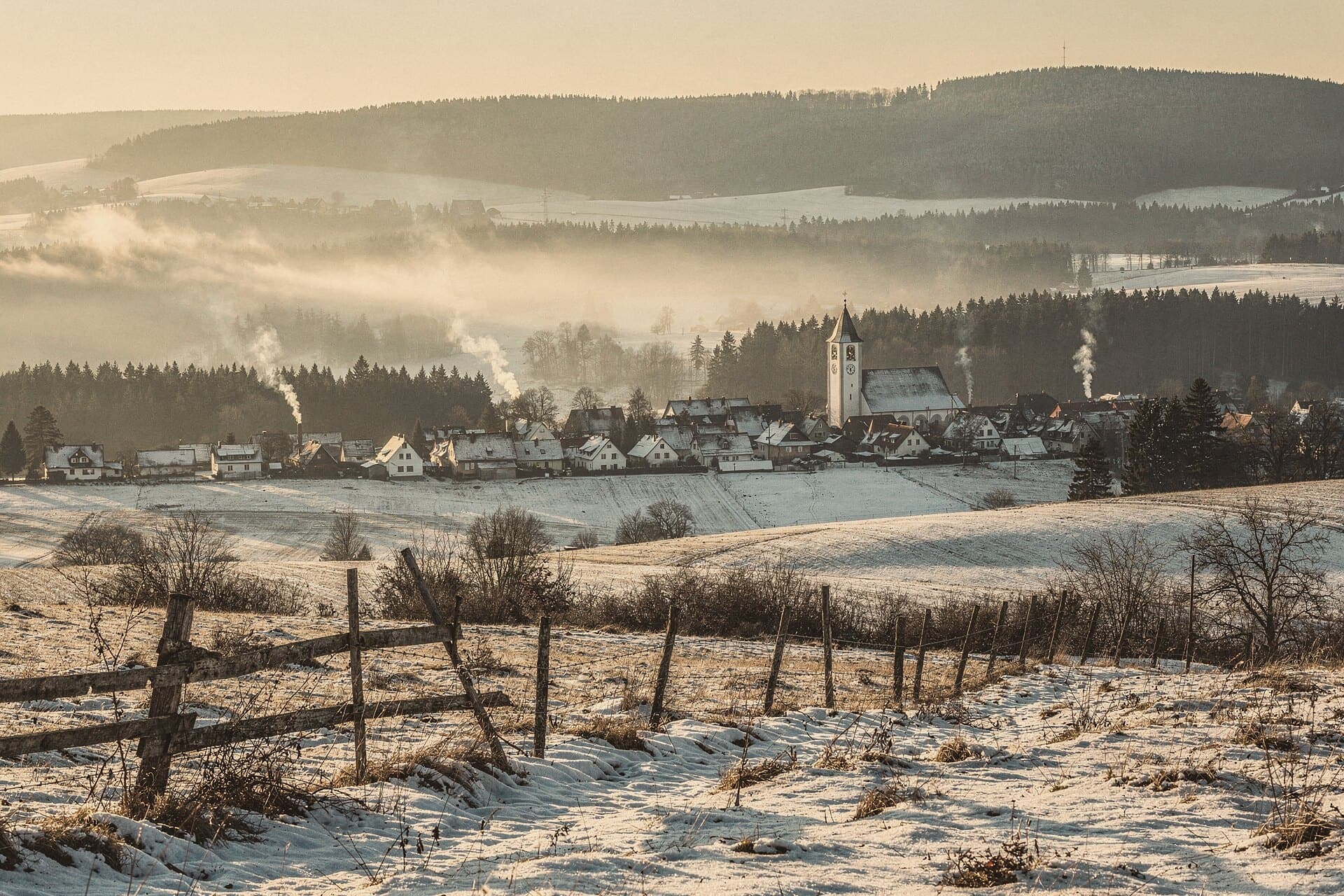
The Erzgebirge runs for about 150 kilometers (some 90 miles) along the border between Saxony and Bohemia. From the north it rises gently, over many miles; on the Bohemian side it drops away in a steep wall to the valley of the Ohře. Its name says what it was valued for: Erz, ore.
For some eight hundred years, from the 12th century to the 20th, people dug silver, tin, cobalt, iron and finally uranium out of these hills. Mining made the towns, the wealth of Saxony and the customs that still shape Christmas here. This chapter follows it from the first silver to the last shift.
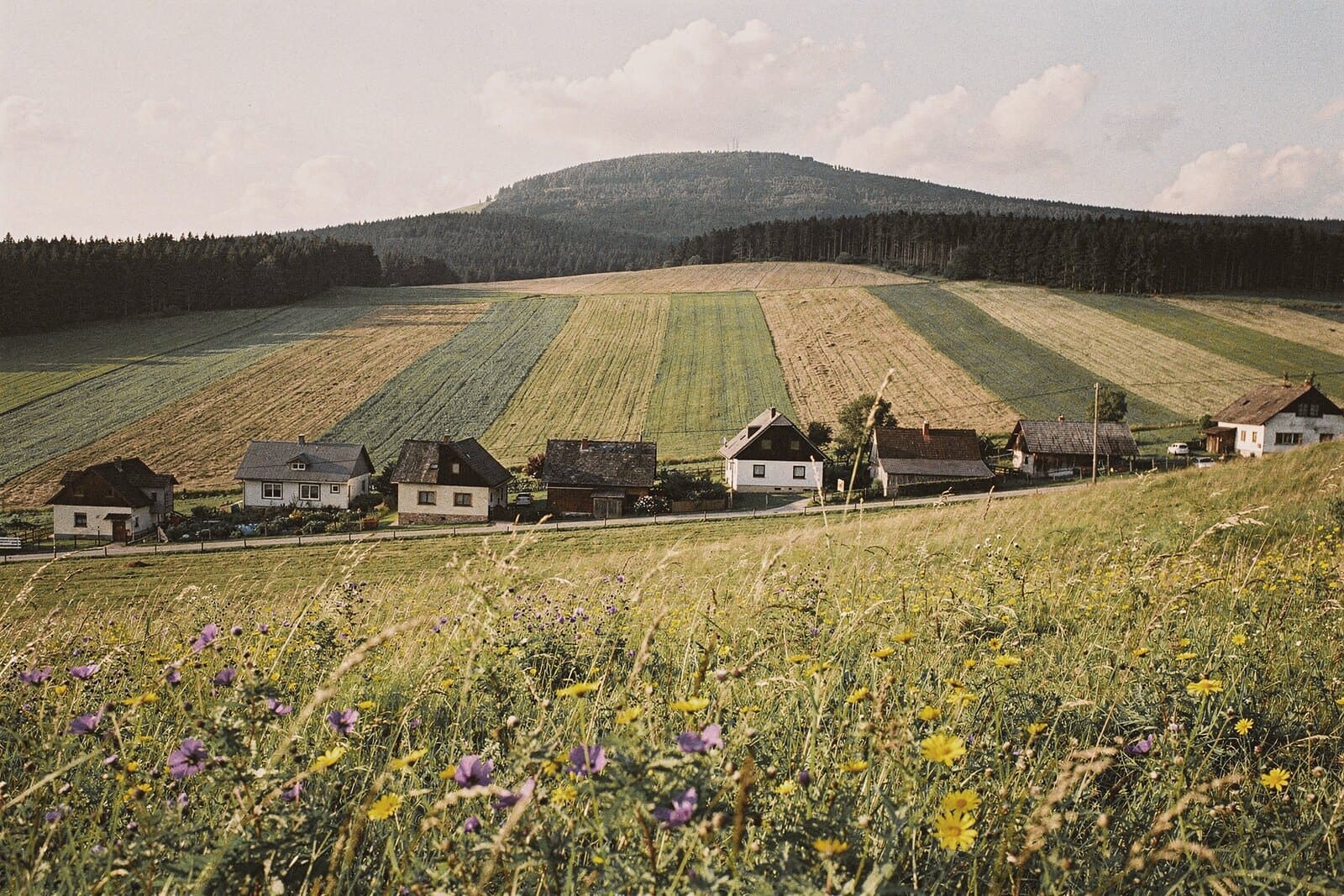
A high, hard country
The highest summit of the range, the Klínovec (in German, the Keilberg), rises to 1,244 meters (4,081 feet) on the Czech side. Across the border stands the Fichtelberg, at 1,215 meters (3,986 feet) the highest mountain in Saxony, and at its foot lies Oberwiesenthal, the highest town in Germany.
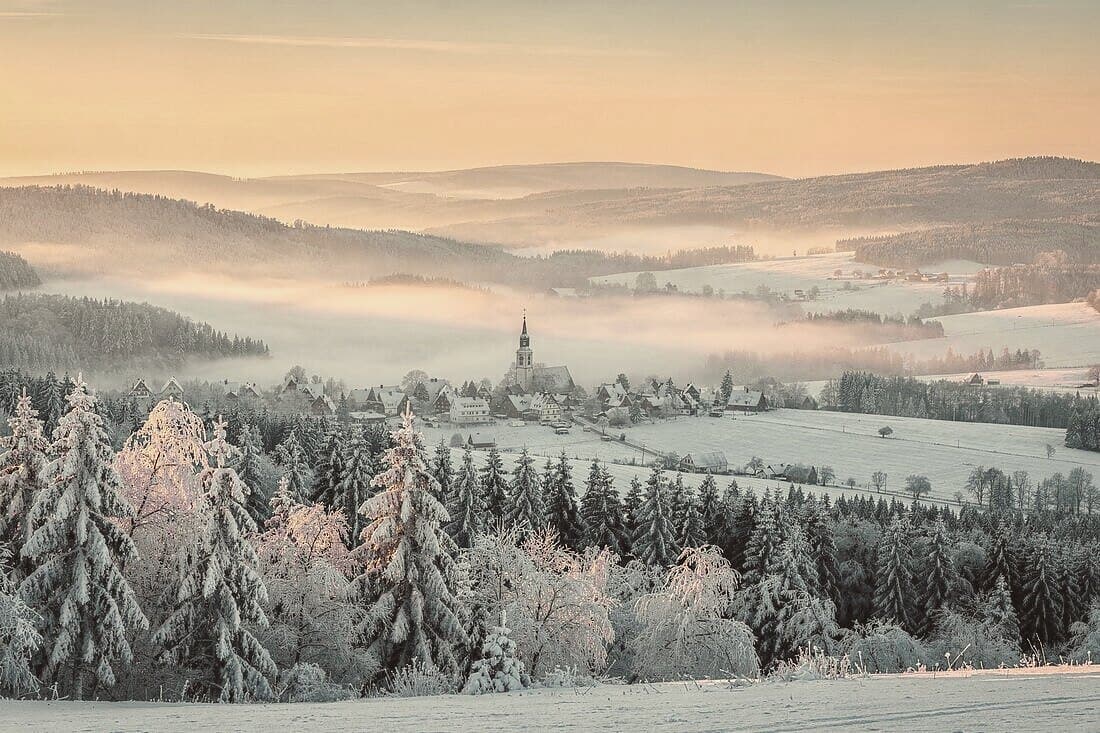
Up on the crest the year is long and cold. Toward the ridge the Saxon slopes count 110 to 160 frost days a year, snowdrifts are common, and rime and snow regularly break trees in the high forest. By the late 18th century the upper Erzgebirge had a nickname, “Saxon Siberia,” a label its people resented: an 1885 essay complained that “God knows who” had invented it.
Until the 12th century the mountains were largely empty forest. Farming families began to clear them only then, and they were soon followed by miners.
The range and its mining towns
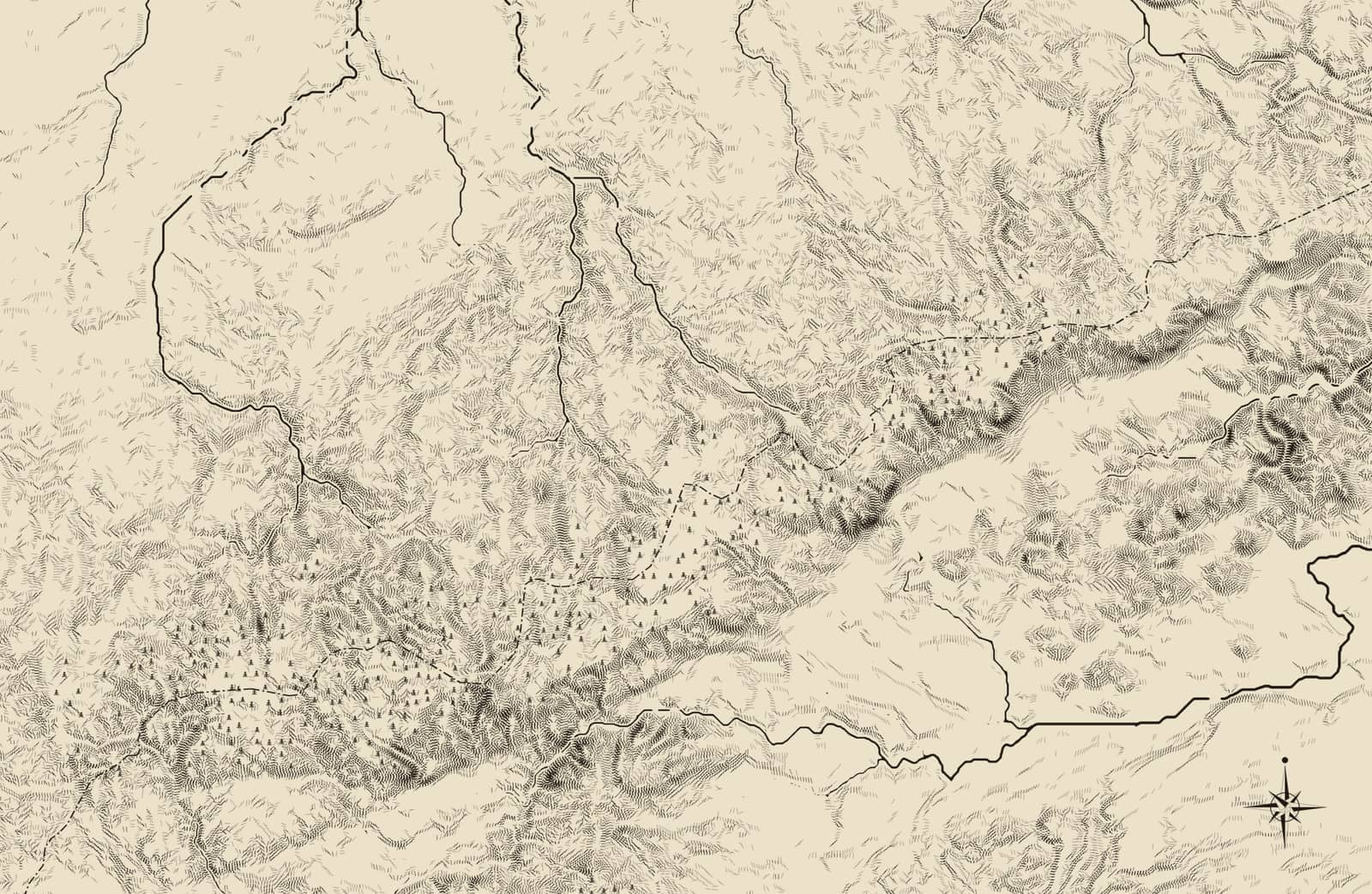
The border follows the crest. Most of the old mining towns lie on the gentle Saxon side; the Bohemian towns cling to the top of the escarpment.
- Saxony
- Bohemia
- Freiberg
- Annaberg-Buchholz
- Marienberg
- Schneeberg
- Schwarzenberg
- Johanngeorgenstadt
- Oberwiesenthal
- Olbernhau
- Seiffen
- Jáchymov (Joachimsthal)
- Krupka (Graupen)
- Fichtelberg
- Klínovec (Keilberg)
- Chemnitz
- Aue
- Altenberg
A name made of ore
In the 12th century these heights were simply “the Bohemian forest,” the woods a traveler crossed on the road to Bohemia. Medieval chroniclers also wrote of a “dark forest,” Miriquidi, on that road; later historians attached the name to these mountains, though the old texts never say where it lay.
The name Erzgebirge, “ore mountains,” came only with the great silver strikes. An official called the “Hauptmann der Erzgebirge,” captain of the ore mountains, appears in 1558. The Czech name, Krušné hory, comes from mining too, most likely from an old word for crushing or working ore. It does not mean “the harsh mountains,” whatever the folk explanation says.
Even the towns are named for the work and the weather. Seiffen takes its name from the Seifen, the stream gravels where tin was washed. Schneeberg, “snow mountain,” was so called, says an old account, because “at the end of every winter the snow lay longest on it.”
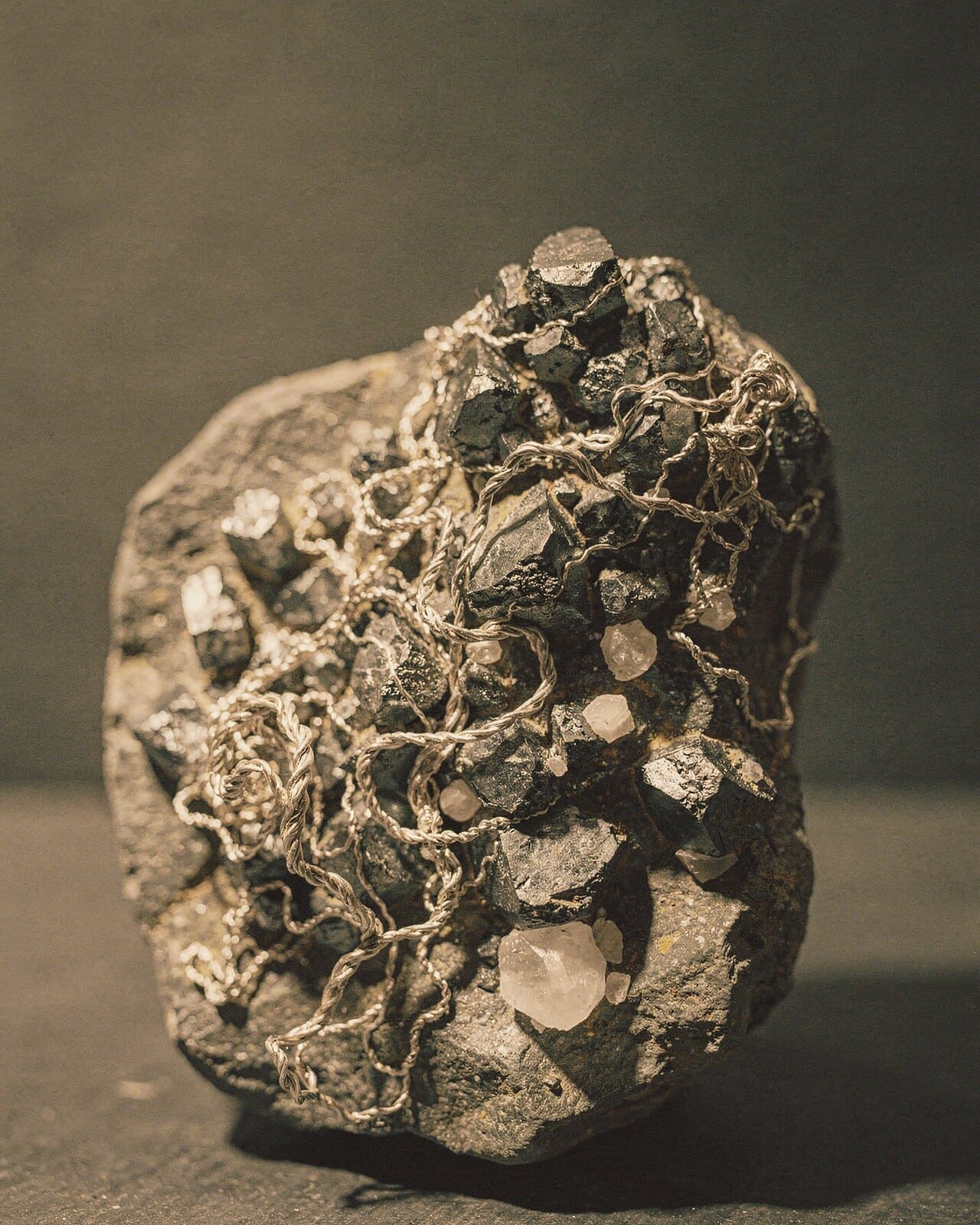
The first silver
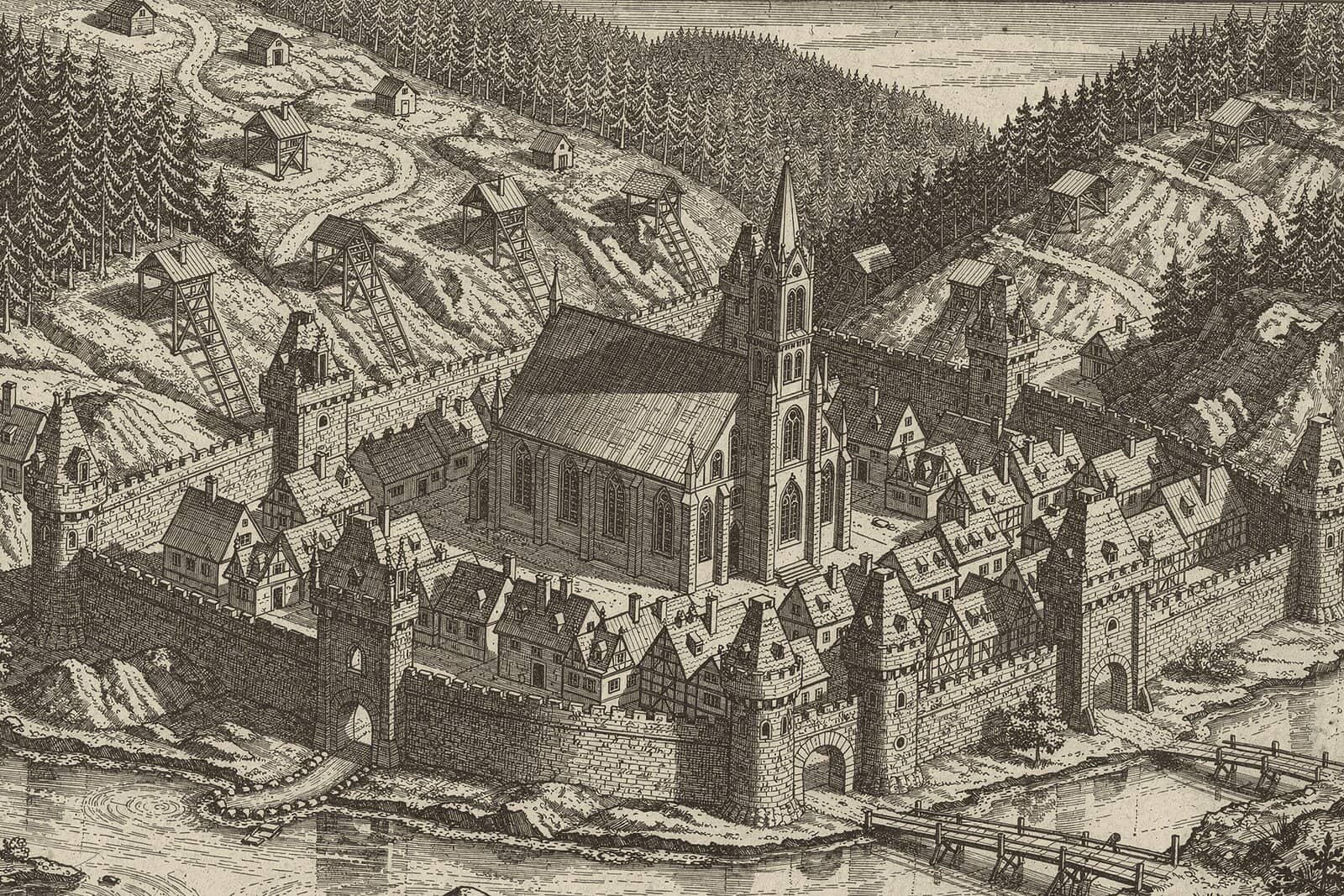
Around 1168, silver ore turned up in the fields of Christiansdorf, a farming village cleared only a few years before, where Freiberg stands today. No charter records the find; 1168 is the year historians generally accept. A chronicler writing four centuries later told the story of salt carters from Halle who spotted the ore by the road and had it assayed in Goslar. It is a good story, and very likely a legend.
What is certain is what followed: a Berggeschrei, literally a “mountain cry,” the word for news of rich ore spreading so fast that miners, merchants, charcoal burners and drifters poured in. Experienced miners came from the Harz. The settlement took its name from Bergfreiheit, mining freedom, the right of every newcomer to prospect for ore: Freiberg, the “free mountain.” By the 13th century its walls enclosed a town as large as Dresden.
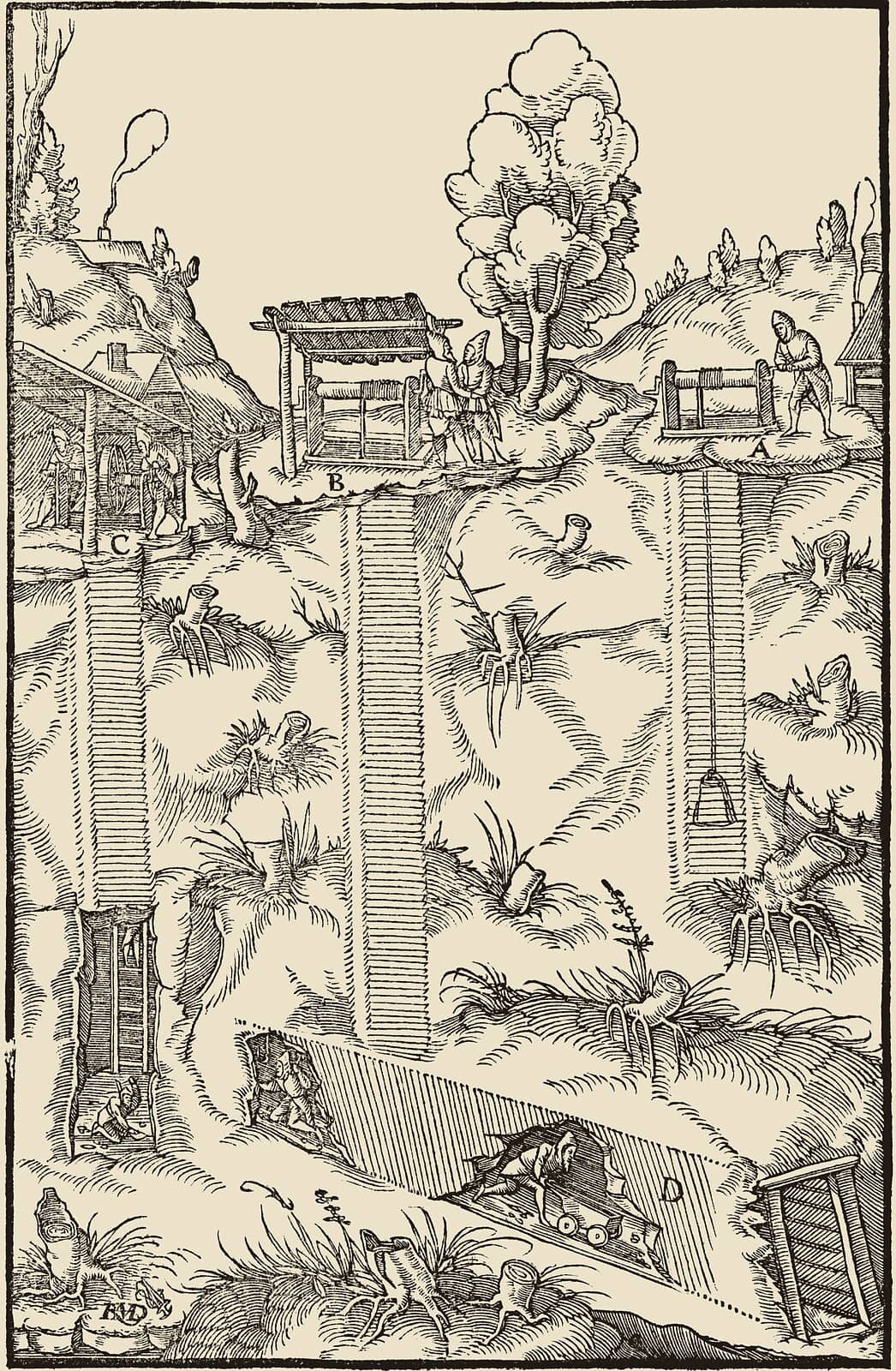
The great Berggeschrei
Three centuries later the mountains cried out again. Rich silver was struck at Schneeberg in 1470, at the Schreckenberg in 1491, where the new town of Annaberg was founded in 1496, and at Marienberg, laid out in 1521 as a Renaissance “ideal city,” the first north of the Alps. UNESCO calls the Ore Mountains “the most important source of silver in Europe, particularly in the century from 1460 to 1560.” The silver laid the foundation of Saxony’s wealth.
On the Bohemian side, the Counts Schlick founded Joachimsthal (today Jáchymov) on new finds in 1516. From 1519–1520 they struck large silver coins there, soon called Joachimsthaler, then simply Taler. The Dutch made it daalder, the English “dollar,” and after the Revolution the young United States made the dollar its own money, striking its first silver dollars in 1794. The word still carries the name of an Erzgebirge mining valley.
Silver was not the only treasure. Tin was mined steadily from the 13th century until 1991. Cobalt made the region a leading producer of smalt, a deep blue pigment of cobalt glass, from the 1630s; Saxony’s blue-color works held a world monopoly until a synthetic blue was invented in 1828.
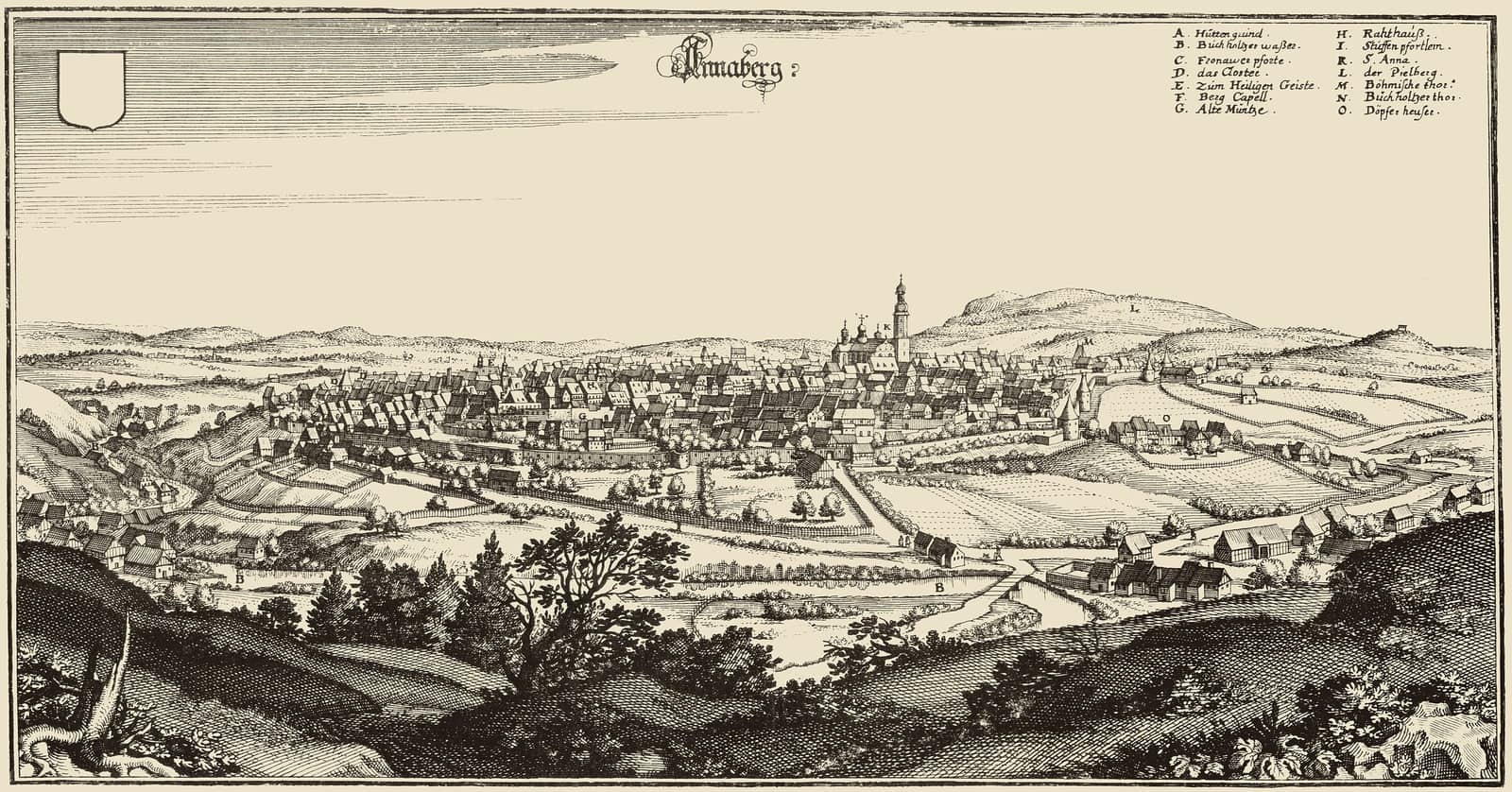
The book of mines
In 1527 a young physician named Georg Bauer, who wrote under the Latin name Georgius Agricola, came to Joachimsthal as town doctor and spent his free hours in the mines and smelters. Later physician and four times mayor of Chemnitz, he wrote De re metallica, twelve books on mining and metalwork, illustrated with hundreds of woodcuts. It was printed in Basel in 1556, a few months after his death, and remained the standard work for nearly two centuries. Its first English translation, in 1912, was made by Herbert Hoover, a mining engineer who later became president of the United States, and his wife, Lou Henry Hoover.
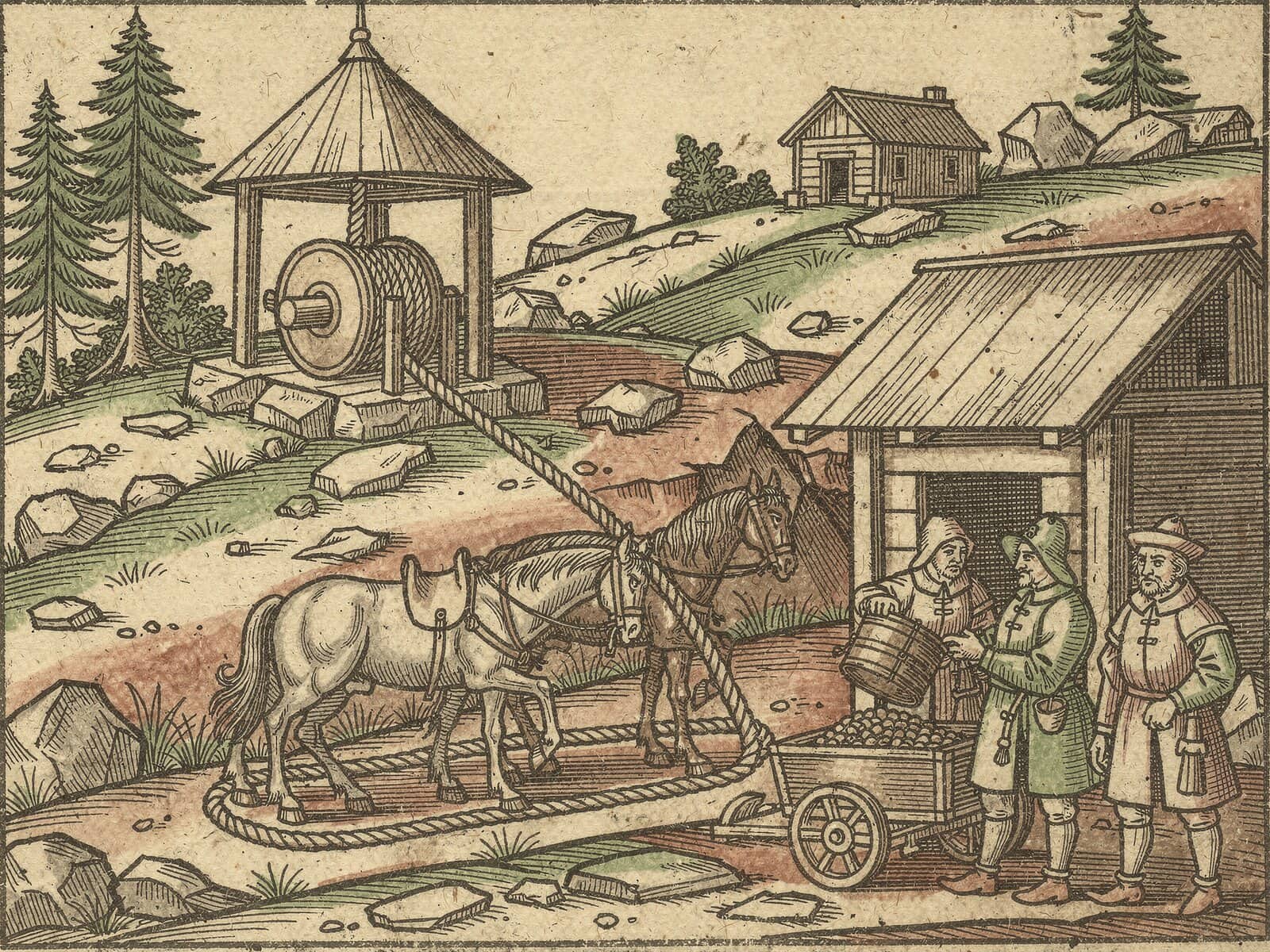
Working by lamplight
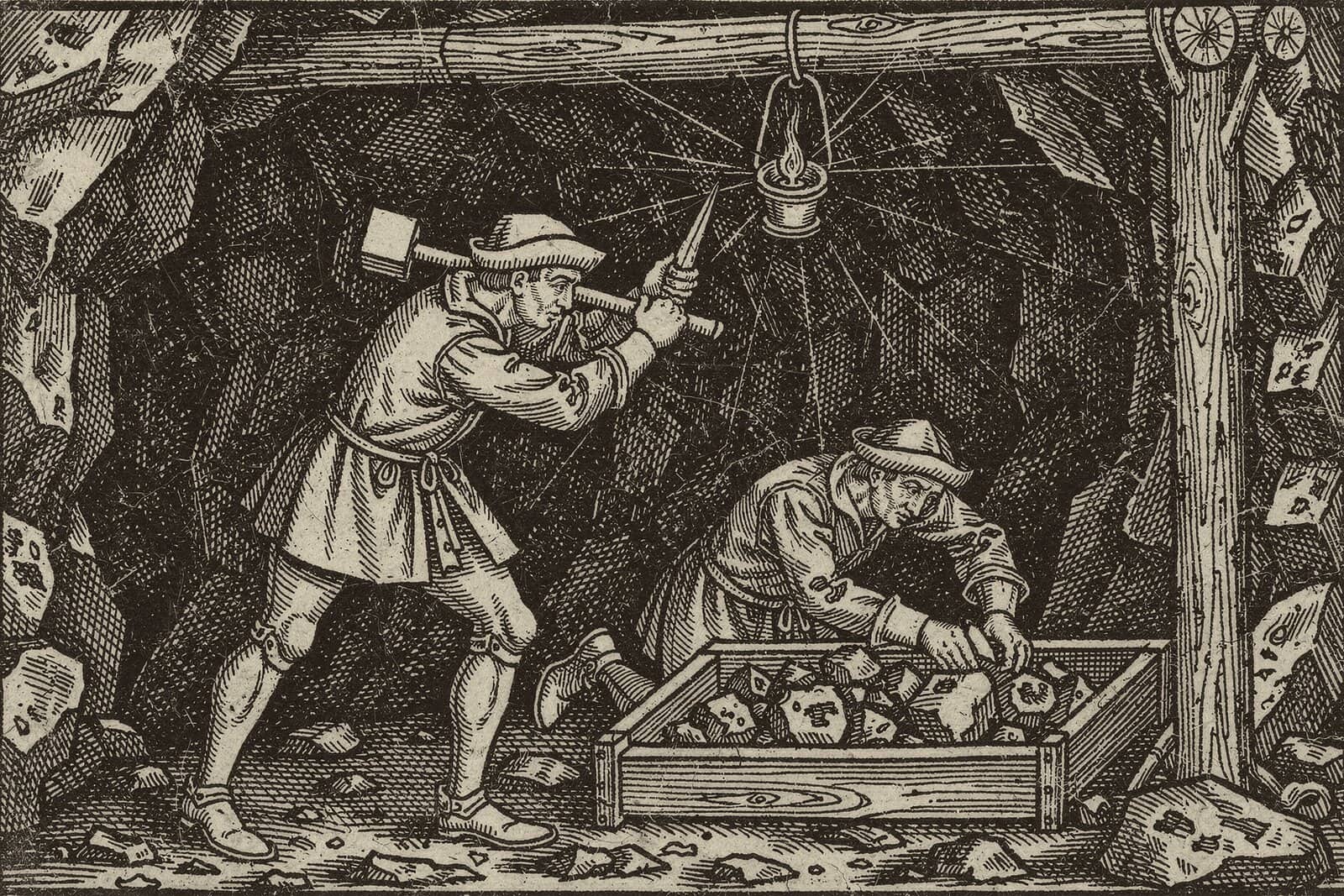
Agricola describes the working day. “The twenty-four hours of a day and night are divided into three shifts, and each shift consists of seven hours.” The first ran from four in the morning; the night shift, allowed only when needed, worked “by the night lamps,” the men singing to keep awake. “The lamps show that the shift has come to an end when the oil becomes almost consumed and fails them.”
Until about 1890 a miner lit his way with an open lamp of tallow or rapeseed oil, the Froschlampe or “frog lamp.” An ordinary miner around 1700 had to buy his own tallow. His tools were the Schlägel und Eisen, a hammer and a pointed chisel, which crossed became the miners’ emblem.
In the late 1500s, mining officials ordered that foremen and hewers “shall pray and sing for a quarter hour before they go down.” Many shaft houses had a prayer room for it, some with a small organ.
Winter made the dark longer. At this latitude the midwinter sun is up for only about eight hours. On Agricola’s timetable, a man on the morning shift went down long before sunrise, and a man on the afternoon shift came up long after dark.
Glück auf! The miners’ world
Miners in the Erzgebirge have greeted one another with Glück auf! since the late 1600s. It began as a wish that the rock would open onto rich veins: “I wish you luck, that the veins open up for you and do not close,” a chronicler explained in 1684. Miners refused the ordinary greeting Glück zu, because zu also means “closed.” Only later did the words come to mean come back up safely. The miners’ anthem, the Steigerlied, “Glück auf, the foreman’s coming,” has roots in a songbook printed in Zwickau in 1531.
Miners looked after one another. In the Knappschaft, the miners’ guild, each man paid a “box penny,” about one percent of his wage, into a fund for the sick, the injured and the widows. Annaberg’s miners paid for their own church out of it, the Bergkirche, where a preacher said mass at four in the morning for the men coming off the night shift and those going on. In the town’s great church, St. Annen, the miners’ guild gave an altar around 1521 whose painted back shows their work in loving detail.
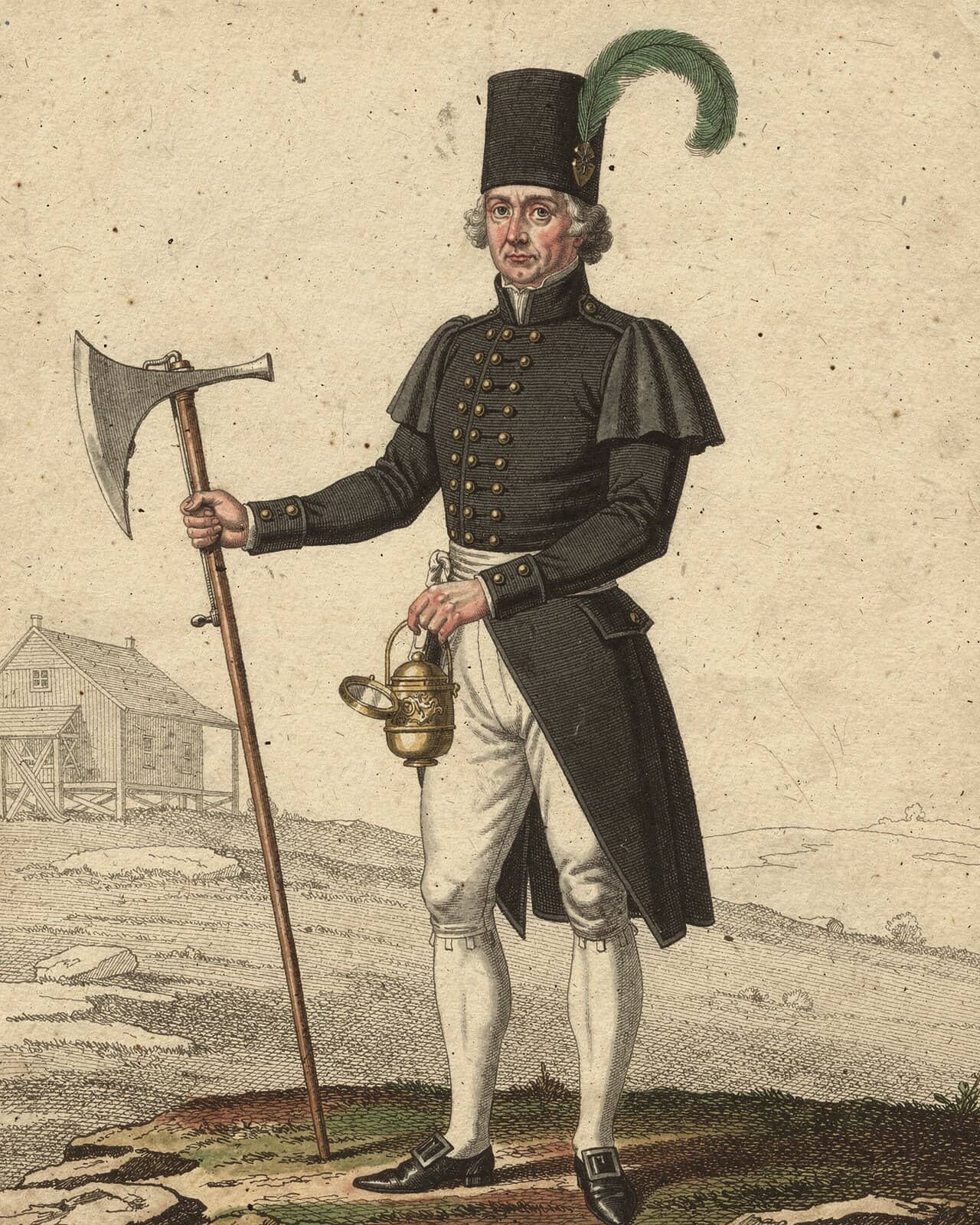
For festivals the miners marched in a black parade dress, the Habit, first set down by rule for a royal wedding festival near Dresden in 1719. Their parades still fill the old mining towns every Advent.
Light in the dark
Light mattered to the miner, wrote the folklorist Karl Ewald Fritzsch in 1959, as much as his tools. From the 1670s, carved and pewter miner figures stood on the altars of the mining towns’ churches, holding the altar candles. By the early 1800s, a pastor reported, miners spent Advent carving models of their mines, and lit them up “to delight their families on Christmas Eve.”
In the Erzgebirge they tell it this way: men who spent the winter underground, working by the glow of a small lamp, came to cherish light above all, and that longing found its way into the candle arches, pyramids and lit windows of Christmas. Historians are more careful. A former director of Dresden’s Museum of Saxon Folk Art calls it “a pious legend,” spread around the end of the 18th century, and traces the region’s love of lights to the festive illuminations of its holidays. Both can be true: the miners’ lamps were real, and so is the story the mountains tell about them.
When the mines fell quiet
Ore runs out. The richest veins of the silver century were worked out one by one; cobalt sales collapsed in the 1620s and 1630s; the Thirty Years’ War (1618–1648) sent mining into steep decline. In Joachimsthal the mint closed in 1671 for lack of silver. Across the border, Habsburg rulers forced Protestant miners to convert or leave. In 1654 exiles from Platten walked back over the ridge to found Saxony’s last mining town, Johanngeorgenstadt. In Seiffen, tin output peaked around 1730 and fell steeply after 1750.
Mining never stopped entirely. In 1765 Saxony founded the mining academy in Freiberg, today the oldest mining university still in existence. But when Germany adopted the gold standard in 1871, silver lost its value; the state decided in 1903 to close the Freiberg mines, and by 1913 most were shut (a brief revival lasted from 1937 to 1969). After 1945 came a last and grim rush: Soviet-run uranium mining by the Wismut company, which at its peak employed about 200,000 people and ended in 1990. By spring 1991 every ore mine in the Erzgebirge had closed.
Long before that, the mining families had found another living, in wood. That is the next chapter.
World Heritage, 2019
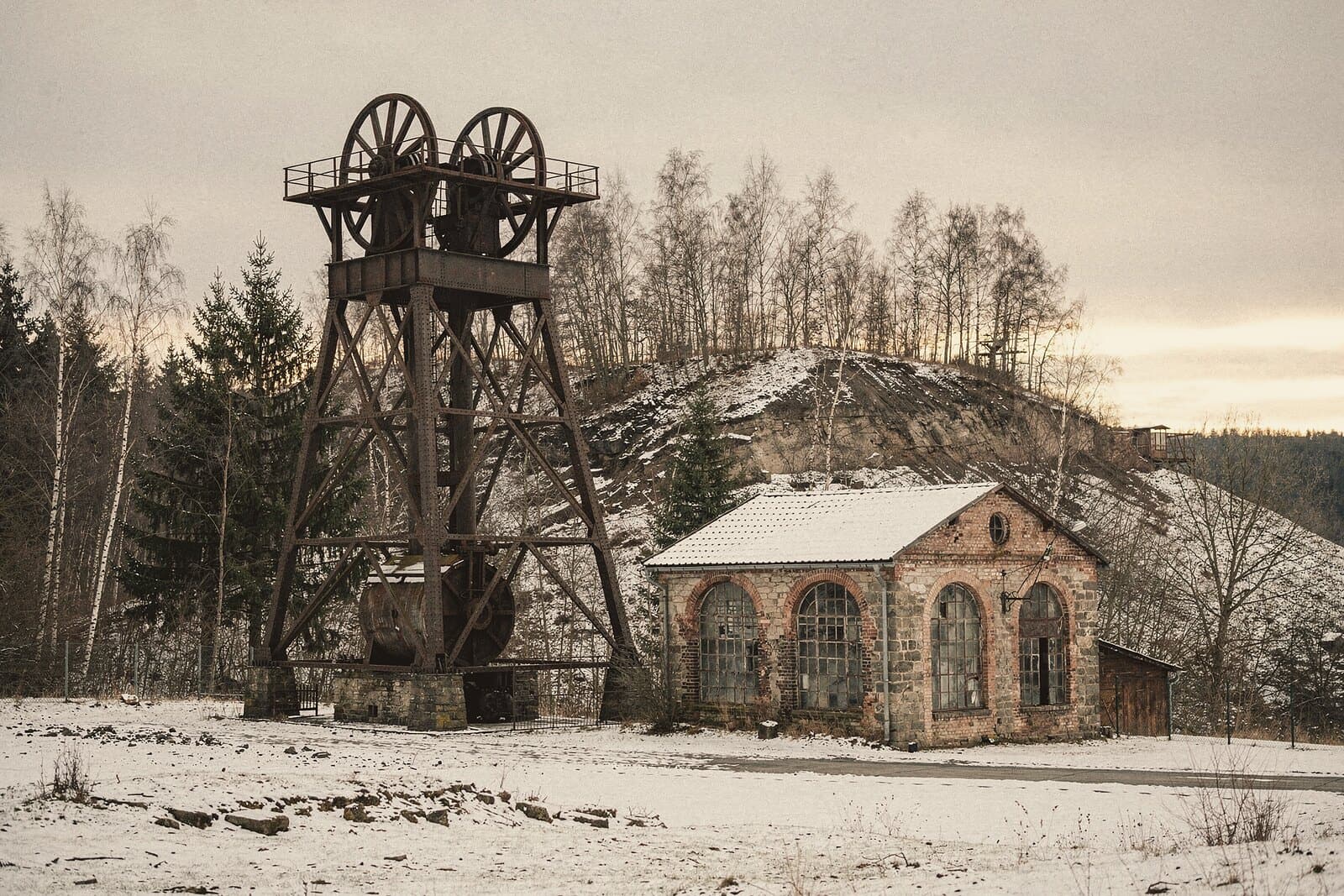
On July 6, 2019, meeting in Baku, UNESCO’s World Heritage Committee inscribed the Erzgebirge/Krušnohoří Mining Region, a landscape shared by Germany and the Czech Republic. Its 22 parts, 17 in Saxony and 5 in Czechia, include mines, shafts, smelting works, water systems and whole mining towns, a landscape “shaped by 800 years of almost continuous polymetallic mining, from the 12th to 20th centuries.”
The living customs are protected too. The miners’ parades of Saxony were entered in Germany’s national inventory of intangible cultural heritage in 2016, and the singing of the Steigerlied in 2023.
The mining era at a glance
- c. 1168
Silver ore found at Christiansdorf, where Freiberg now stands; the first Berggeschrei.
- c. 1300
Tin mines at Ehrenfriedersdorf, Geyer, Seiffen and Altenberg.
- 1470
Rich silver at Schneeberg starts the second, great Berggeschrei.
- 1491
Silver struck at the Schreckenberg; Annaberg founded in 1496.
- 1516
Joachimsthal (Jáchymov) founded on new silver finds.
- 1519–1520
The first Joachimsthaler, the coin that gave the dollar its name.
- 1521
Marienberg laid out as a Renaissance ideal city.
- 1556
Agricola’s De re metallica printed in Basel.
- 1618–1648
The Thirty Years’ War; mining declines sharply.
- 1654
Protestant exiles from Bohemia found Johanngeorgenstadt.
- 1719
Miners march in regulated parade dress at the Saturn Festival near Dresden.
- 1765
The mining academy (Bergakademie) founded in Freiberg.
- 1913
Most of Freiberg’s silver mines closed.
- 1946–1990
Uranium mining by the Soviet-run Wismut company.
- 1991
The last ore mines in the Erzgebirge close.
- 2019
UNESCO inscribes the Erzgebirge/Krušnohoří Mining Region as World Heritage.
Sources
- UNESCO World Heritage Committee, decision 43 COM 8B.26: Erzgebirge/Krušnohoří Mining Region (2019)
- Welterbe Montanregion Erzgebirge e.V., Bergbaugeschichte
- Eva Pasche, “850 Jahre Freiberg im Erzgebirge,” Der Anschnitt 64 (2012)
- Walter Wenzel, “Der sächsische Erzbergbau im Spiegel der Namen,” Sächsische Heimatblätter 2/2020
- Georgius Agricola, De re metallica (1556), trans. H. C. and L. H. Hoover (1912), Project Gutenberg
- Deutsche Bundesbank, “Taler, Taler, du musst wandern” (2020)
- Gerhard Heilfurth, “Zum Innovations- und Tradierungsprozeß des Bergmannsgrußes ‘Glückauf’”
- Karl Ewald Fritzsch, “Bergmann und Engel als weihnachtliche Lichterträger,” Der Anschnitt (1959)
- Saxon State Office for Environment, Agriculture and Geology, landscape profile Oberes Westerzgebirge
- Wismut GmbH, history